
CoachPinkston
February 2, 2026
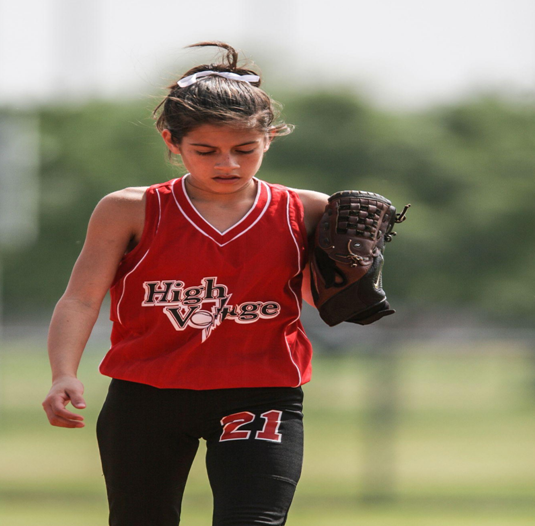
“Pressure is a privilege.” These five simple words, coined by tennis legend Billie Jean King, carry powerful meaning—particularly for athletes, coaches and sport parents navigating the high-stakes world of performance. Tennis.com+2US Open+2 As a mental performance coach, I believe this quote captures a profound shift: from seeing pressure as a burden, to embracing it as an indicator of opportunity, achievement, and responsibility.
In this blog post we’ll explore:
When Billie Jean King said, “Pressure is a privilege. It comes only to those who earn it,” she was speaking from experience as both competitor and captain. craigshaver.co+1 She told the story of offering these words to Lindsay Davenport in a critical match, and how the phrase emerged spontaneously during a moment of support. Sportskeeda+1
Key take-aways from the quote’s meaning:
So when any athlete or coach feels that tightening stomach or those thoughts swirling (“What if I mess up?”), pause and recognise: this is a privilege moment.
Turning pressure into performance is pivotal. Research on performance under pressure shows that it’s not the pressure itself but how athletes respond that matters. For example, the “science of choking under pressure” identifies that increased anxiety and self-focus can diminish performance. Harvard Business Review+1 Conversely, athletes who use deliberate pressure training—mock high-stakes environments—improve coping and execution under stress. Athlete Assessments
When you reframe pressure as a privilege, you shift from fear (“What if I fail?”) to acceptance (“I’ve earned this, now let’s show up”). That mindset can reduce self-criticism, anchor you in the present moment, and let your prepared skills shine.
As a coach, when you impart this mindset to your athletes, you’re offering more than tactics—you’re building mental resilience. Framing pressure as a privilege helps athletes view key moments (big games, playoffs, finals) not as threats, but as earned assignments. When your guidance reflects this, team identity shifts: we don’t fear pressure—we earned it and we’ll manage it.
For instance, embedding practice drills that simulate pressure environments (crowd noise, scoreboard pressure, time constraints) builds preparedness. That’s the “pressure training” described in sports-psychology literature. Virtual Sport Psych+1
Parents play a pivotal role. When your child or teen competes, managing what you bring into the mix is part of the mental game. Framing pressure as a privilege helps you model a supportive mindset: “You earned your spot. This is your moment.” Rather than feeding anxiety with “Don’t mess up,” you reinforce ownership, growth, and opportunity.
Research shows that excessive external pressure (from parents/coaches) can harm performance and wellbeing. The Guardian Encouraging the “privilege” mindset nurtures autonomy, confidence and resilience.
Prior to a game/competition/trial, pause and say aloud (or have the athlete say):
“This moment happened because I trained, I prepared, I earned it. Pressure is a privilege.”
That simple statement pivots the nervous energy into acknowledgement of progress.
Design training sessions with built-in pressure cues:
Athletes benefit from consistent routines that anchor them in the moment. According to PositivePsychology.com, mental skills like visualization, self-talk, goal setting are effective. PositivePsychology.com
Example: One minute before competition — deep breath, recall “pressure is a privilege”, visualise executing one specific skill, cue internal rallying phrase.
Coaches and parents can hold joint “pressure is privilege” check-ins.
For parents: ask your athlete, “You earned this spot—what’s one thing you’re going to control today?”
For coaches: let your team hear you say, “We don’t fear the moment—we earned it.” That reinforces ownership.
After the competition ask:
Picture this: A high-school basketball player has the final shot with 3 seconds on the clock. The arena is noisy; scouts are watching. The player feels the weight. The coach has rehearsed the “pressure-is-privilege” line: “You’ve worked, you’ve earned your cast. This moment means you’re here. Now own it.” The player steps up, breathes, recalls: Pressure is a privilege. They take the shot, and while it doesn’t guarantee success, the mindset shifts—from fearing failure to embracing that this is the opportunity.
That’s exactly how Billie Jean King intended the phrase: when she looked into her player’s eyes and said it in a pivotal moment. Tennis.com+1
If you’re an athlete, coach or sport parent ready to harness pressure and turn it into performance:
Pressure isn’t something to avoid—it’s something to claim. When you’ve earned the right to show up, someone will watch, expectations will appear, nerves will accompany you. That’s the privilege of competition. As a mental performance coach, I urge you to welcome these moments. Because when you do, you’re not just competing—you’re leading, you’re embodying what it means to perform when it counts.
Remember: Pressure is a Privilege. Let’s make it yours.