
CoachPinkston
March 5, 2026
A Mental Performance Coach’s Guide for Athletes, Coaches, and Sport Parents
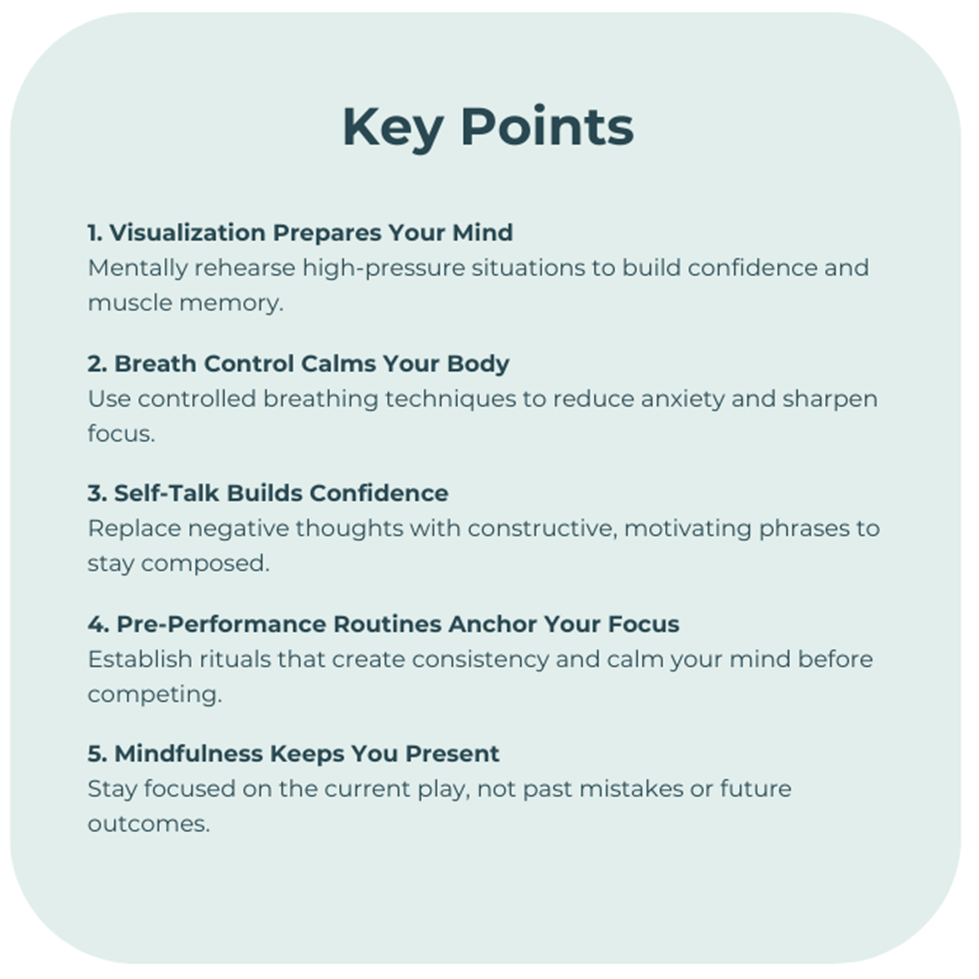
This strategy is simple by design—but don’t confuse simple with easy. When used correctly, it sharpens focus, reduces anxiety, and anchors athletes firmly in the present moment.
Let’s break it down
In sports, talent matters. Training matters. Strategy matters.
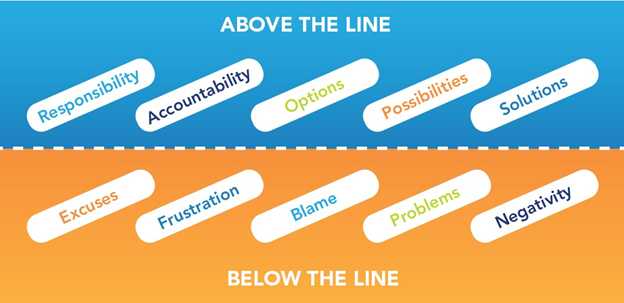
But there is one invisible line that often determines whether athletes grow into leaders or fall into frustration. Former championship football coach Urban Meyer calls this line “Above the Line.”
In his book Above the Line, Meyer describes two types of behavior that show up in every locker room, team meeting, and family environment:
This concept isn’t just about football. It’s about how athletes respond to adversity, mistakes, coaching, and pressure.
As a mental performance coach, I often tell athletes:
The difference between elite performers and average ones isn’t the mistake they make — it’s the response they choose next.
And that response determines whether they live above the line or below it.
At its core, Above the Line behavior is intentional behavior — actions aligned with purpose, discipline, and long-term goals.
Below the Line behavior is the opposite. It’s reactionary. It’s emotional. It’s driven by excuses and blame.
Urban Meyer often described Below the Line behavior with three simple words:
BCD: Blame, Complain, Defend.
You see it everywhere in sports:
Below the Line Athlete
Above the Line Athlete
The line itself isn’t fixed. Every athlete crosses it at times.
The real skill is recognizing when you’re below the line and choosing to climb back above it.
One of the biggest lessons from Above the Line is that accountability fuels performance.
Research in sport psychology shows that athletes who develop strong personal responsibility demonstrate higher motivation, engagement, and confidence in their sport.
Why?
Because accountability shifts an athlete’s focus from excuses to solutions.
When athletes blame circumstances or other people for outcomes, they lose control over improvement. Psychologists call this a self-serving bias, where people credit success to themselves but blame failure on external factors.
That mindset blocks growth.
But when athletes take responsibility, something powerful happens:
They gain control over their development.
Accountability doesn’t weaken confidence — it strengthens it.
A few years ago, I worked with a high school basketball team that had incredible talent but struggled with consistency.
After a tough loss, the locker room sounded familiar:
“Refs were terrible.”
“The other team got lucky.”
“Coach’s play call didn’t work.”
All Below the Line thinking.
The next day we drew a line on the whiteboard.
Above the Line
Below the Line
Then we asked one question:
Which side wins championships?
The room got quiet.
A senior captain stood up and said:
“Above the line… because that’s the only side we can control.”
From that point forward, the team created a rule:
No BCD.
If someone blamed or complained, a teammate would simply say:
“Get back above the line.”
That team finished the season with its deepest playoff run in program history.
The difference wasn’t talent.
It was mindset.
For athletes, coaches, and parents, living above the line isn’t about one big moment.
It’s about daily habits.
Here are three simple mental performance habits that reinforce an Above the Line culture.
One of the leadership tools Urban Meyer emphasizes comes from the R Factor equation:
Event + Response = Outcome (E + R = O).
You can’t control the event.
But you can control the response.
Elite athletes develop the ability to pause before reacting — especially after mistakes.
Ask yourself:
That pause moves you back above the line.
Great athletes don’t live in the last mistake.
They live in the next opportunity.
Above the Line athletes ask:
Ownership shifts focus from past frustration to future performance.
Urban Meyer emphasized what he called “the power of the unit.”
Championship teams care more about the team than individual credit.
Below the Line thinking asks:
“What about me?”
Above the Line thinking asks:
“What helps us?”
That shift builds trust, culture, and leadership.
The most powerful part of the Above the Line philosophy is that culture is contagious.
Urban Meyer often emphasized a simple leadership truth:
Leaders create culture. Culture drives behavior. Behavior produces results.
That means coaches and parents play a huge role in shaping athlete mindset.
Model accountability.
When a game goes poorly, avoid blaming officials or athletes. Instead say:
“What can we do better next time?”
Athletes mirror the mindset they see.
After games, ask growth-focused questions like:
Avoid the temptation to blame coaches, refs, or teammates.
Those conversations train athletes to live above the line.
When a team commits to Above the Line behavior, something powerful happens.
The culture changes.
Instead of excuses, you hear ownership.
Instead of complaints, you hear solutions.
Instead of fragile confidence, you see resilient athletes.
Research shows that athletes who develop responsibility and engagement in sport environments display greater dedication, confidence, and enthusiasm.
That’s not just good for performance.
It’s good for life.
Because the habits that build champions on the field build leaders off the field.
Every athlete, coach, and parent faces this choice daily.
After mistakes.
After tough losses.
After adversity.
You can blame.
You can complain.
You can defend.
Or you can step above the line.
The athletes who rise to the highest levels aren’t perfect.
They simply make one decision over and over again:
Own the response.
If you’re an athlete, coach, or sport parent, try this simple challenge this week:
Draw a line on a whiteboard or piece of paper.
Write:
Above the Line
Below the Line
Then ask yourself after every practice, game, or conversation:
Which side of the line did I live on today?
Awareness is the first step to growth.
Because championships — in sports and in life — are built one choice at a time.
And the best performers in the world choose to live above the line.